DIGITAL INTERACTIVE
Arizona’s Green Business Reality in 2026: Three Forces Reshaping How Local Companies Approach Sustainability
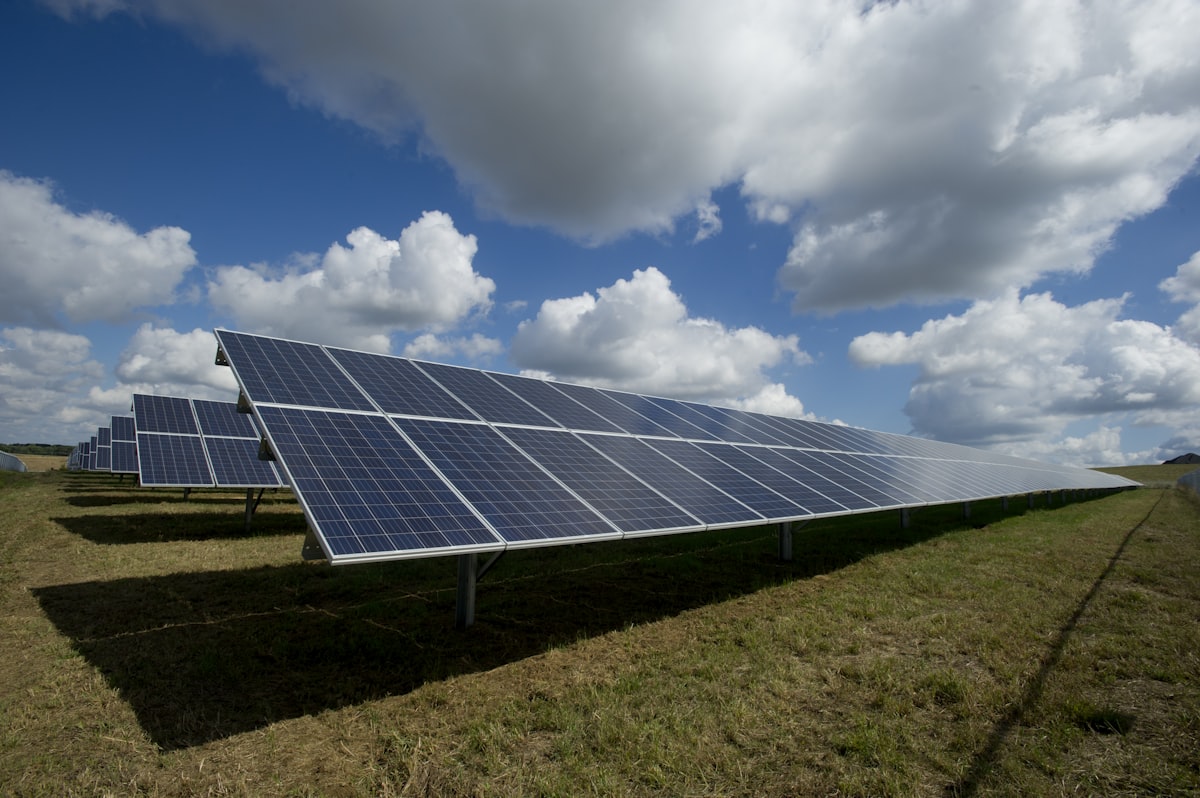
Three separate decisions arrived within eight months of each other. A statewide Climate Action Plan is now in live implementation. A 19-year renewable energy mandate was repealed by the Corporation Commission. And a surprise moratorium froze data center tax incentives as of July 1, 2026. For Phoenix-area businesses, these are not distant policy events. Each one carries direct operational and financial implications that are active right now.
The Statewide Climate Action Plan Is No Longer Just a Document
Arizona published its Comprehensive Climate Action Plan (CCAP) on December 1, 2025. The Governor’s Office of Resiliency developed it with Arizona State University and Northern Arizona University, funded by $3 million in EPA Climate Pollution Reduction Grant dollars. The plan sets a net zero statewide GHG emissions target by 2050, identifies 71 measures across seven major emitting sectors — electricity, transportation, buildings, industry, forestry, land use, and waste — and projects that full implementation would reduce emissions by 4.2 billion metric tons from the 2000 baseline.
The 2026 calendar has specific delivery milestones. This year is designated for designing the energy-efficiency-as-a-service program structure, establishing utility and contractor partnerships, and creating energy audit protocols. The CCAP also schedules 2026 as the launch year for enhanced coordination of existing efficiency programs including Efficiency Arizona, the Weatherization Assistance Program (WAP), and LIHEAP. By 2027, the plan calls for creating an Arizona Green Bank with direct financial assistance tools and a revolving loan fund. Businesses planning capital projects tied to energy efficiency or clean technology should note that the financing infrastructure is being assembled now. The 2027 Green Bank target is not speculative — it is a scheduled CCAP milestone.
The Corporation Commission Eliminated Arizona’s Renewable Energy Mandate
On March 4, 2026, the Arizona Corporation Commission voted to repeal the Renewable Energy Standard and Tariff Rules (REST Rules), in effect since 2007. The mandate required APS, TEP, and UniSource Energy Services to source a minimum percentage of retail electricity from renewables, peaking at 15% after 2024. The ACC stated that those three utilities collected more than $2.3 billion in REST surcharges from customers since inception, with above-market legacy solar contracts continuing to burden ratepayers. The Commission pointed to APS’s Solana Generating Station contract at 15 cents per kWh against today’s utility-scale solar average of roughly 2.5 cents per kWh as a concrete illustration of the cost disparity.
The repeal is not yet final. The notice of final rulemaking must clear Attorney General review, and legal challenges from renewable energy stakeholders are expected. Existing renewable contracts stay intact. Utilities retain the ability to procure renewables through All-Source RFP and Integrated Resource Plan processes, which market economics broadly support. But the policy backstop is gone. Businesses that relied on utility-funded distributed generation incentive programs — rooftop solar rebates, for example — should verify with their utility provider whether those programs survive without the REST surcharge funding mechanism that previously paid for them.
Arizona Paused Data Center Tax Incentives Starting July 1, 2026
Arizona’s FY 2026-2027 state budget (HB 4168), signed June 13, 2026, enacted a three-year moratorium on the state’s data center sales tax exemption. The Arizona Commerce Authority cannot accept new applications from July 1, 2026 through June 30, 2029. Governor Hobbs arrived at this as a compromise from her initial request to eliminate the exemption entirely. In the two weeks before the July 1 cutoff, the ACA received 113 new applications — nearly matching the 123 total applications submitted across the program’s entire run from 2013 through June 14.
Arizona is part of a national pivot. Over 300 data center-related bills were filed in 30 states in just the first six weeks of 2026. Arizona joined Illinois and Ohio in enacting moratoriums around the same period. The existing sustainability criteria under A.R.S. Section 41-1519 — energy-efficiency and water-conservation requirements — remain applicable to already-certified facilities. Operators should verify their certification records with the Arizona Commerce Authority and confirm that ongoing sustainability requirements are being met. When the moratorium expires in 2029, new applications will face a revised framework that almost certainly carries tighter sustainability conditions than the program’s original structure.
Local Businesses Have a Practical Pathway: The Green Business Boot Camp
Policy change creates compliance pressure and early-mover opportunity simultaneously. Local First Arizona’s Green Business Boot Camp runs seven-week cohorts for locally-owned businesses and nonprofits statewide, targeting a 20% reduction in energy use, water consumption, waste generation, or transportation emissions. Participants benchmark baseline use through ENERGY STAR Portfolio Manager and build a sustainability project plan with weekly expert instruction and one-on-one support continuing for a full year after graduation.
Two new cohorts open this fall. The statewide virtual Cohort 23 runs September 22 through November 10, 2026, on Tuesdays from 4 to 5 p.m. A Verde Valley in-person cohort begins September 29. Participants can access low-cost, short-term microloans through the Green Community Fund, developed in partnership with the Community Investment Corporation, to finance their sustainability projects directly from what they build in the program.
Three Variables to Track Through the Rest of 2026
The Attorney General’s review of the ACC’s REST repeal is the most active legal variable right now. A successful challenge restores the mandate and its associated utility incentive funding. The 2027 Arizona Green Bank is the most significant near-term financing development for businesses with sustainability capital projects on the planning horizon. And the data center moratorium’s June 2029 end date will produce a revised, sustainability-conditioned incentive framework. Businesses in the planning stage for Arizona data center investments should be building sustainability compliance documentation now, before the new framework is written without their input.
Frequently Asked Questions
Does the ACC’s repeal of the renewable energy mandate mean Arizona utilities will stop buying solar?
No. Existing renewable contracts remain in place, and market economics still favor solar for many new procurement decisions. The repeal removes the compliance mandate and the surcharge-funded incentive programs, not the underlying cost competitiveness that has made utility-scale solar the lowest-cost generation source in most Arizona procurement processes. Utilities continue to file All-Source RFPs that will include renewables based on cost and reliability.
Can existing Arizona data centers still use their sales tax exemptions?
Yes. The moratorium only prohibits new applications. Facilities already certified under A.R.S. Section 41-1519 retain current exemption status. Operators should verify their certification records with the Arizona Commerce Authority and confirm that ongoing energy-efficiency and water-conservation requirements are being met to maintain eligibility.
What is the Arizona CCAP’s relationship to city-level plans like Phoenix’s Climate Action Plan?
The state CCAP is designed to complement, not replace, existing city and county climate plans. Phoenix, Tucson, Tempe, Mesa, Flagstaff, and multiple tribal nations have developed their own plans. The statewide CCAP provides a framework for resource alignment and policy consistency across those jurisdictions, including coordination on water security, clean energy, and transportation infrastructure investments.
Sources:
- Comprehensive Climate Action Plan for the State of Arizona
- Arizona Pulls the Plug on Renewable Mandates: Key Implications for the Energy Industry
- State Data Center Policy: Governors Restrict Tax Exemptions
- Green Business Boot Camp
- Here Are the Finalists for the 2026 Environmental Excellence Awards